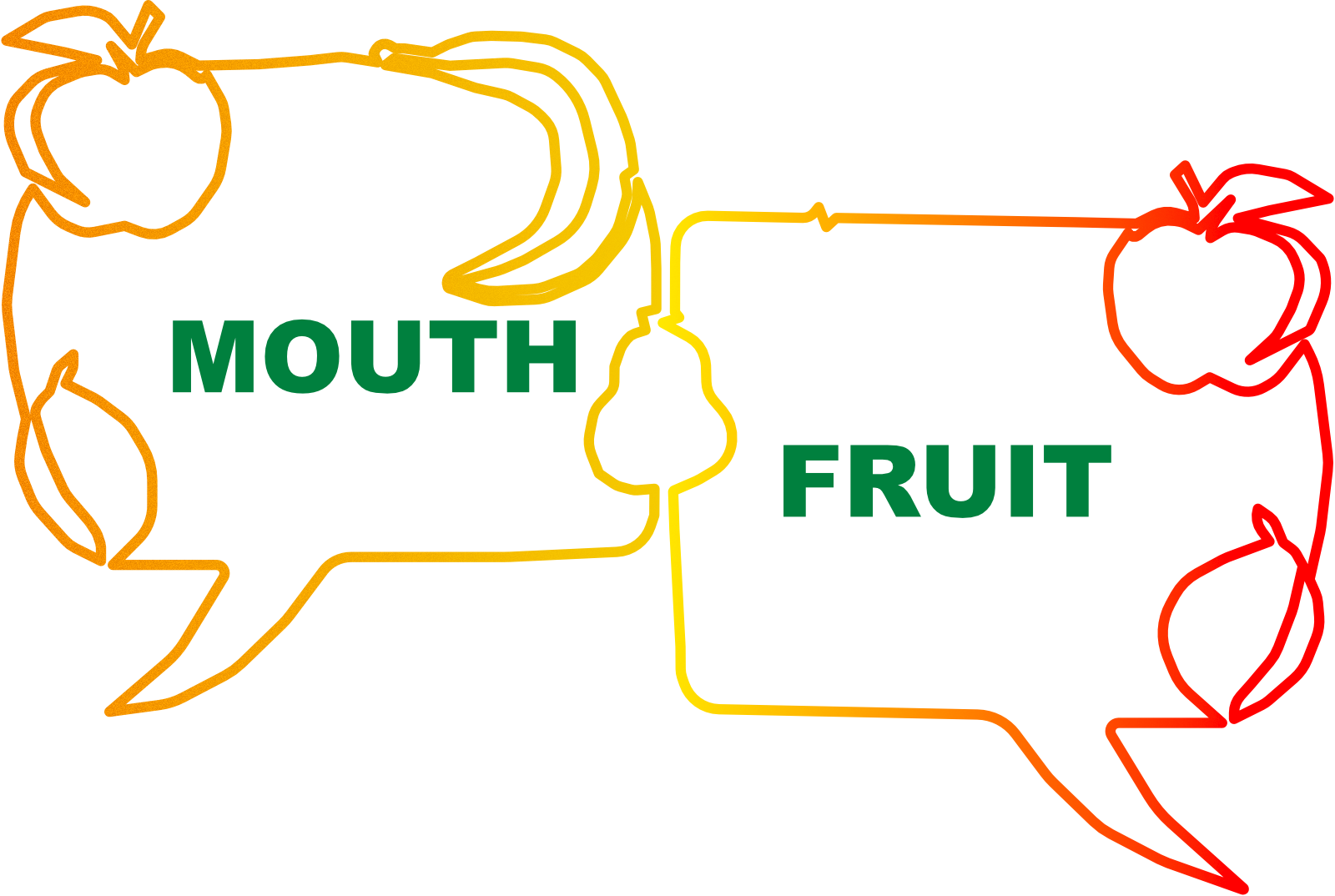
Backchannels
In many cultures a person speaks while the other is still talking, making conversation signals without taking a turn.


The Sounds Listeners Make
There's a thing you do in conversation that you almost certainly don't notice. While someone else is talking, you make small noises. Mm-hm. Right. Yeah. Oh. You nod, you hum, you let a little huh escape. You are, technically, not taking your turn — but you're not silent either. You're keeping the speaker company.
Linguists call this backchanneling, and once you start watching for it, you can't stop. The more interesting discovery is that cultures do it very differently — so differently that two perfectly polite people can leave a conversation each thinking the other was rude.

Japan: the rhythm of two hammers
Japanese has a system. The Japanese term is aizuchi (相槌), and the word itself is a small poem: it describes two blacksmiths alternating hammer blows on the same hot iron. The listener isn't waiting for a turn — the listener is hammering too, in rhythm.
So Japanese conversation is full of un, un, hai, ē, sō sō, naruhodo and those nasal mm-mm hums. And there's a lot of it — studies find Japanese listeners backchannel roughly two to three times as often as English speakers. To Japanese ears, a quiet listener has wandered off. To English ears, all that humming can feel like hurry up, I get it. Same sounds, opposite meaning.
There's a famous trap here, too. The Japanese hai and the steady un, un often mean "I'm following you" — not "I agree." More than one business deal has gone sideways because a Western negotiator heard yes, yes, yes and walked out thinking the contract was as good as signed.

The talkers and the receivers
Zoom out and the world's conversational styles roughly sort into two camps.
Some cultures treat overlap as warmth. Talking into the other person, finishing their thought, layering your yeah-yeah-yeah over their sentence — that's how you show you're alive to them. Linguist Deborah Tannen called this a high-involvement style, and you'll hear it in a lot of New York Jewish, Southern Italian, and African American conversation, where call-and-response (mm-hm, that's right, go on) turns listening into a duet.
Other cultures treat silence as the real gift. In much of Finland and the Nordic world, and famously among the Western Apache (documented by anthropologist Keith Basso), the respectful thing is to let it land — to receive a person's words fully before you owe anything back. Rushing to fill the pause is the rude move, not the silence.

When these two styles meet, each misreads the other perfectly. The overlapper seems pushy and self-absorbed; the pauser seems cold, or slow. Neither is true. They're just running different software.
So which sounds are fruitful?
It's tempting to sort backchannels into the helpful ones and the disruptive ones. Maybe the usefulness is not in the sound. I wish it could be. The same mm-hm can do completely different jobs:
- a continuer — keep going, I'm with you (the lubricant of good dialogue)
- an assessment — wow, no way (sharing the feeling)
- a convergence token — right, right (which might mean real agreement, or just the Japanese "I'm tracking")
- a turn-grab in disguise — a yeah-yeah that's actually reaching for the floor
What makes a backchannel disruptive isn't volume — it's mismatch. Trouble starts when two people are unknowingly using different codes: one hears engagement where the other meant agreement, or hears coldness where the other meant respect.

And here's something to consider. Maybe the silent cultures have the stronger claim on fruitful. Every mm-hm is a tiny tax on the speaker — a small request for reassurance, a nudge to watch your reactions instead of finishing their own thought. The Apache and the Finns might be onto something: that real listening is quiet, and most of the noise is the listener managing their own discomfort with the silence. Maybe this requires shorter turns. The listener can say, "I think I understand what you are saying." Or "True. That is the way I think."
I'm not sure I believe that. It seems an uh-huh is a good thing—but maybe that one has the agree-understand ambiguity. Let's watch conversations and note the backchanneling. Does it help in your culture? Have you engaged in cross-culture errors like these? Should Dar consider this in the design of the world language Mika?

For the language-minded. Backchannels — the term coined by Victor Yngve in his 1970 paper "On Getting a Word in Edgewise" — are listener signals produced outside turn-taking. They're not all equal: the conversation analyst Emanuel Schegloff distinguished continuers ("mm-hm" = keep going) from assessments ("wow" = stance display). Cross-cultural rate differences are well documented: Senko Maynard found Japanese listeners produced aizuchi about three times as often as American English speakers backchannel, with head movement as a major channel alongside the vocal tokens — and an oft-cited figure from Sheida White has the Japanese backchanneling roughly every 14 words versus every 37 for Americans. Deborah Tannen's high-involvement vs. high-considerateness framing (Conversational Style, 1984) explains the mismatch as a clash of systems, not of manners. The silence-as-respect pattern is documented in Keith Basso's Portraits of "The Whiteman" and his essay "To Give Up on Words" on Western Apache. The agreement-vs.-acknowledgment ambiguity of Japanese hai is a standard caution in intercultural communication training.
What do you do when someone goes quiet on you — fill it, or let it sit?
Do you speak over the speaker without claiming a turn?
Do you use head motions?
What do you do when you get lost in what the speaker is saying?